Flexible System Design Will Define Future DALI Projects
The future of DALI control is more flexible, interoperable, and application-led. Wired DALI remains valuable for reliable local control, while DALI-2 sensors, D4i data, wireless gateways, and lower-friction commissioning give project teams more choices for new-build and retrofit work.
The choice is not simply wired versus wireless. It is the architecture that matches the building, available wiring, automation needs, data requirements, and maintenance resources.
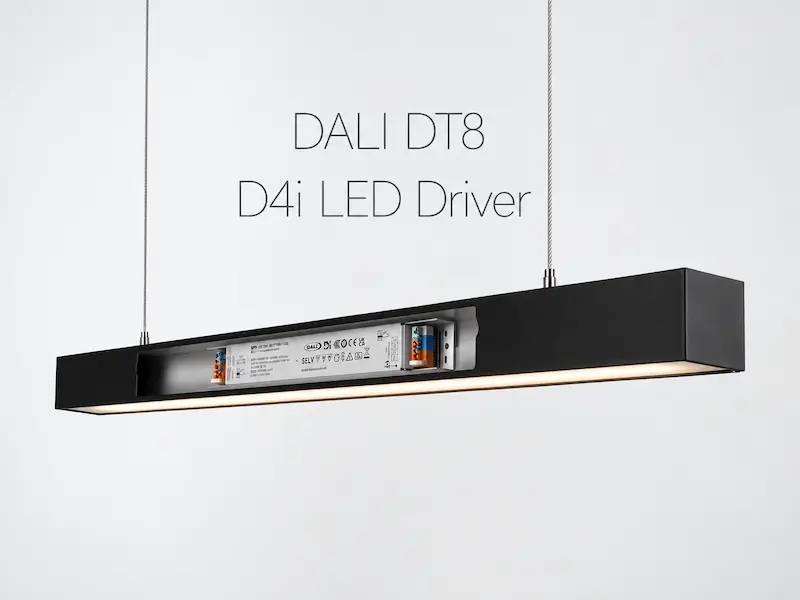
DALI-2 systems combine control gear, application controllers, input devices such as sensors, and bus power supplies. Explore ShineLong's smart lighting control options for commercial applications.
European Smart Lighting Market: Platforms, Protocols, and Selection Logic
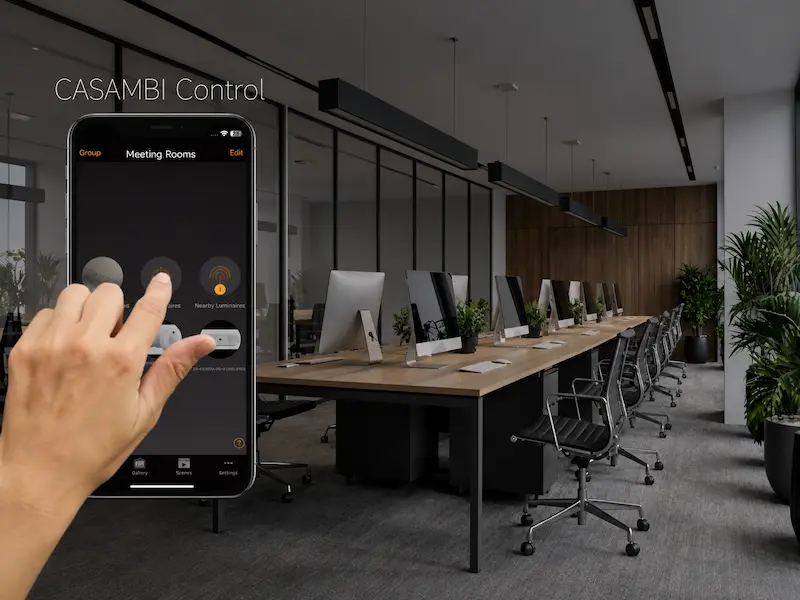
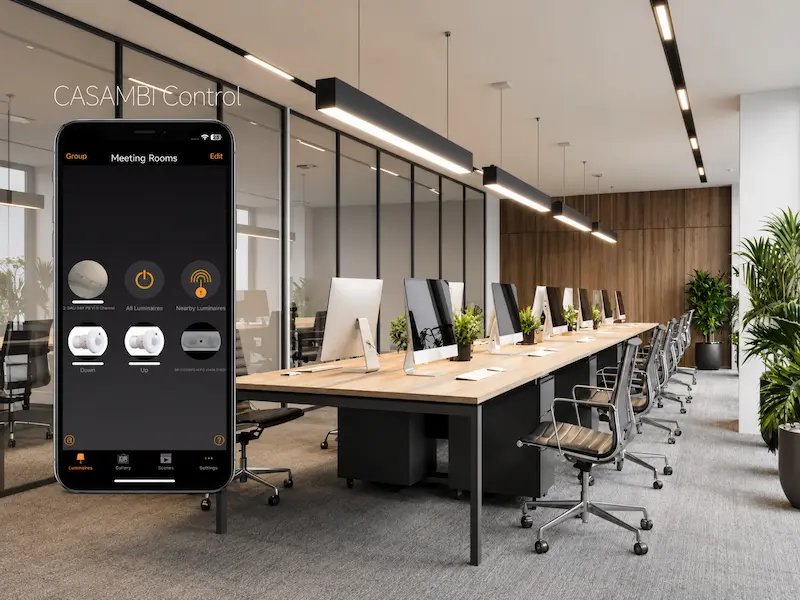
European renovation projects often consider Bluetooth-based lighting control where adding new control wiring is difficult. New commercial buildings can still benefit from a structured wired DALI bus. Hybrid projects can keep DALI as a local control layer and add wireless or BMS connectivity where it delivers a clear operational benefit.
| Platform | Publicly Documented Approach | Selection Logic |
|---|---|---|
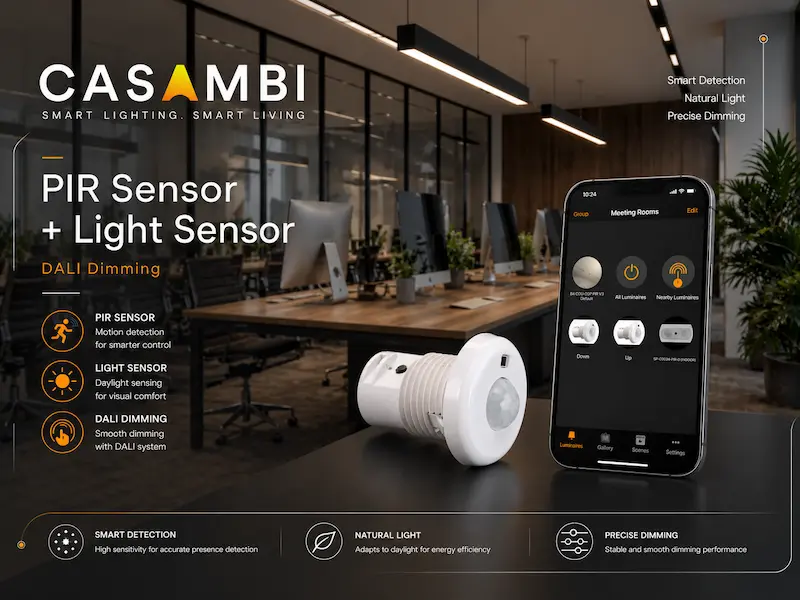
| Casambi | Bluetooth Low Energy mesh ecosystem with wireless, DALI, and hybrid integration options. | Consider when the project values a branded ecosystem, ready products, distributed wireless control, and application-led commissioning. |
| Silvair | Bluetooth mesh firmware and tools for professional lighting components, commissioning, and OTA updates. | Consider when a manufacturer or system developer wants a firmware-led Bluetooth mesh development route. |
From Platform Choice to Project Architecture
The workshop treats Casambi as a common European reference point and Silvair as a firmware-centred alternative. This is internal selection context, not a universal price or performance ranking.
Compare compatible hardware, support, client preference, data needs, commissioning workflow, and total installed cost for each project. The selected platform should support the customer's whole operating model, not only the first installation stage.
Wired, Wireless, and Hybrid DALI
Wireless should not be presented as a replacement for every wired installation. Use wireless where wiring constraints and project disruption matter; use wired DALI when stable local bus control and structured commissioning are needed; use hybrid design when a local DALI subnet needs a compatible path to wireless access, BMS, or cloud services.
Matter, Thread, and Emerging Connectivity
Treat Matter and Thread as emerging options that require live product, certification, and support validation. Before specifying an emerging connectivity route, confirm product availability, supported DALI functions, commissioning ownership, update responsibility, and future integration options.
Energy and Data Return
Sensor-led control can reduce unnecessary operating hours. Digital DALI communication can support device feedback, but cloud reporting still requires a suitable gateway, network, software, and maintenance process. Local control and cloud reporting should be sold as separate choices.
Sensor Technology Selection and Application Scenarios
Sensor choice directly affects the success of automated lighting. Select the sensor around actual space use, mounting height, coverage direction, expected behaviour, and possible sources of interference.
| Technology | Main Capability | Practical Advantage | Selection Caution | Typical Application |
|---|---|---|---|---|
| PIR | Movement detection through thermal change. | Stable and widely used for commercial occupancy control. | May not detect a person who remains still. | Offices, corridors, common areas. |
| 5.8 GHz microwave | Movement detection using radio waves. | Can suit concealed or luminaire-integrated installation. | Environmental movement can cause unwanted triggering. | Integrated fixtures and concealed applications. |
| 24 GHz millimetre wave | Presence detection. | Can detect more subtle human presence. | Higher sensitivity needs careful setup and justification. | Workspaces and meeting rooms. |
| 60 GHz millimetre wave | Fine movement or posture-related detection. | Supports specialist detection needs. | Higher-cost, application-specific option. | Care or specialist environments. |
| Ultrasonic | Movement or presence detection. | Available for selected regional applications. | Review acoustic conditions and compatible products. | Specific project requirements. |
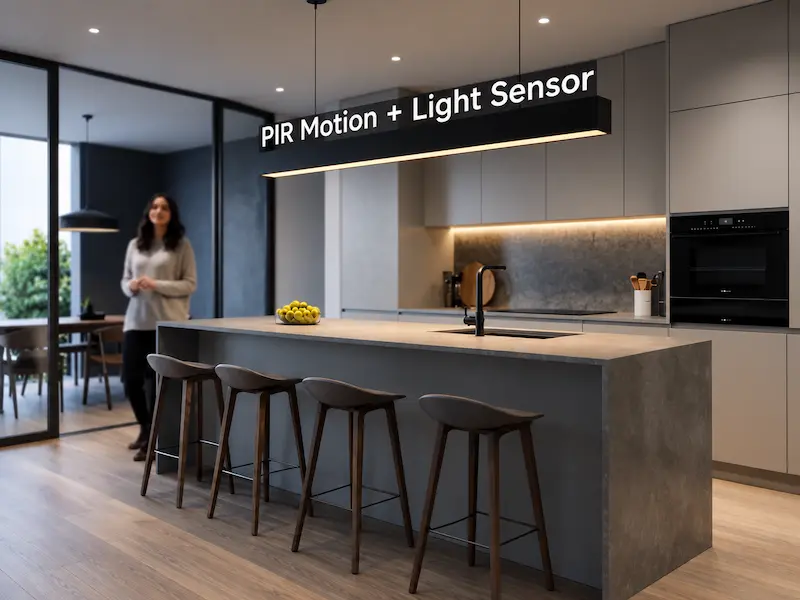
- Choose PIR first where stable movement detection is the priority.
- Use microwave sensing where concealed installation is required, then test the installed environment.
- Specify high-sensitivity presence detection only where the application needs it.
- Use coverage masks, adjustable accessories, and real on-site testing to reduce blind spots and unwanted triggering.
- Plan the sensor, driver, luminaire, mounting height, and control logic as one system.
Innovation: Host-Free and PC-Free DALI Sensor Control
Traditional DALI projects can require PC software for addressing, grouping, and logic editing. This is appropriate for complex integration, but it can add cost and coordination to smaller projects. The host-free concept uses a dedicated remote as a portable configuration tool for compatible local DALI systems.
Master and Slave Operating Modes
Master mode supports local independent operation for compact applications such as meeting rooms, corridor sections, and parking zones. Slave mode allows the local sensor layer to work with an application controller, gateway, or BMS where higher-level logic, reporting, or portfolio management is required.
Configuration Workflow to Demonstrate
- Connect compatible drivers, sensor, and DALI bus power.
- Scan or assign addresses.
- Create functional groups, up to 16 where supported by the selected system.
- Bind sensors and luminaires to the intended local behaviour.
- Adjust sensitivity, delay time, daylight threshold, and dimming settings.
- Use infrared targeting to select a high-mounted fixture.
- Copy proven settings to repeated zones.
- Test with the customer and document the final configuration.