Home > Blogs > LED Flicker Explained: Causes, Effects, Measurement and Solutions

What Is LED Flicker and Why It Matters

Learn what LED flicker is, what causes it, how it affects comfort and visual performance, and how flicker-free LED lighting helps create safer, more reliable spaces.

LED flicker is the rapid fluctuation of light output over time. Although many people cannot see it directly with the naked eye, it can still affect visual comfort, image capture, and the perceived quality of a lighting system.

Have you ever worked for hours under bright lighting and ended up with eye strain or a headache for no obvious reason? Have you pointed your phone camera at an LED lamp and noticed rolling lines or bands on the screen? In many cases, that effect is linked to flicker.

For industrial, commercial, and educational environments, understanding LED flicker is important because lighting quality is not only about brightness. Stable light output also supports comfort, concentration, and trust in product performance.

What Is Flicker in LED Lighting

LED flicker is a change in light intensity caused by variations in the electrical current flowing to the light source. In simple terms, the lamp is switching between brighter and dimmer output very quickly, even if the human eye does not always notice it.

This is why flicker can be deceptive. A light may appear steady, but a camera sensor, a rotating object, or the human nervous system may still detect the instability. That is also why flicker is often discussed together with the stroboscopic effect, where moving objects appear to slow down, freeze, or move differently under fluctuating light.

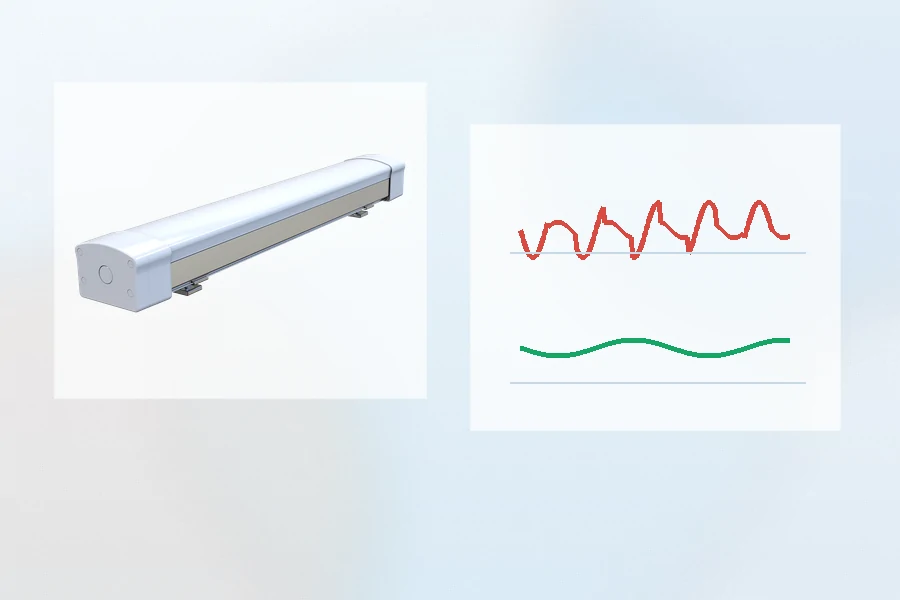
ShineLong LED linear light with low flicker waveform explanation
Stable LED output starts with reliable product structure and driver quality.

Why flicker is not always obvious

Under alternating current, light output can rise and fall in sync with the power waveform. In a 50 Hz power system, the visible fluctuation can effectively occur 100 times per second. In a 60 Hz system, it can effectively occur 120 times per second.

Because of persistence of vision, people may not consciously see every change, but the flicker can still exist and influence visual comfort over time.

Why LED Lights Flicker

LED lights flicker mainly because of how electrical power is converted and controlled. The LED chip is usually not the root problem. In most cases, the main cause is the driver or power supply design behind the LED system.

High-quality LED products use stable constant-current driving, better filtering, and stronger electronic components to smooth the incoming power signal. Lower-cost products often reduce component quality or filtering performance, which leads to more visible or measurable flicker.

  • Poor driver design
  • Inadequate power filtering
  • Incompatible dimming systems
  • Unstable input voltage
  • Low-cost components that cannot maintain steady output

Where Flicker Problems Appear

LED flicker can affect different application scenarios in different ways. The key is to match driver quality, installation environment, and product selection.

1. Long-Stay Workspaces

In offices, schools, and production spaces, people stay under lighting for hours. Lower flicker can support better visual comfort.
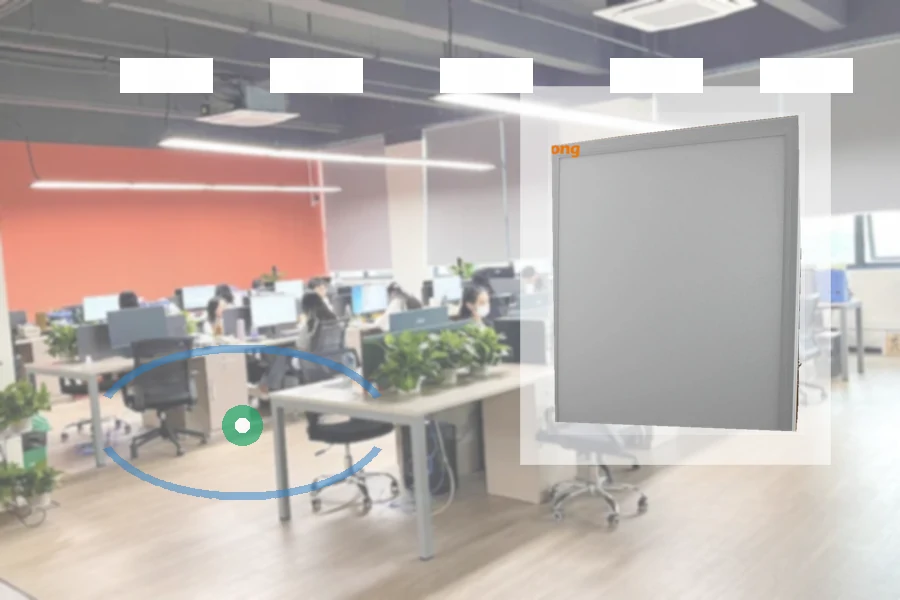
ShineLong LED panel light visual comfort under low flicker lighting
Stable light output helps reduce discomfort in long-use environments.

2. Industrial Applications

Factories and warehouses need reliable lighting for visual judgment, equipment observation, and repeated daily operations.
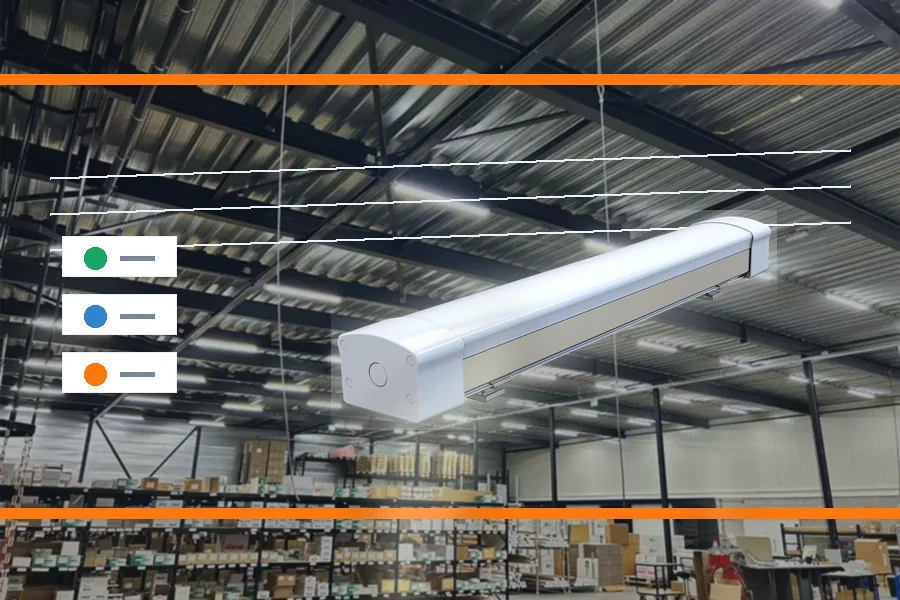
ShineLong LED tri-proof light industrial low flicker application
Driver and power supply quality matter in demanding applications.

3. Camera-Sensitive Scenes

Phone cameras, video recording, and machine vision can reveal flicker as bands, rolling lines, or unstable image output.
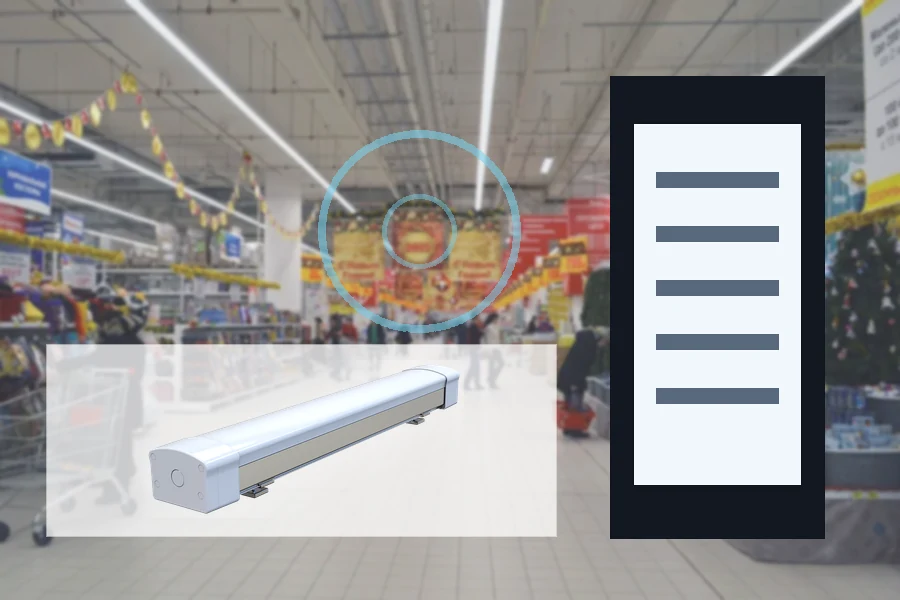
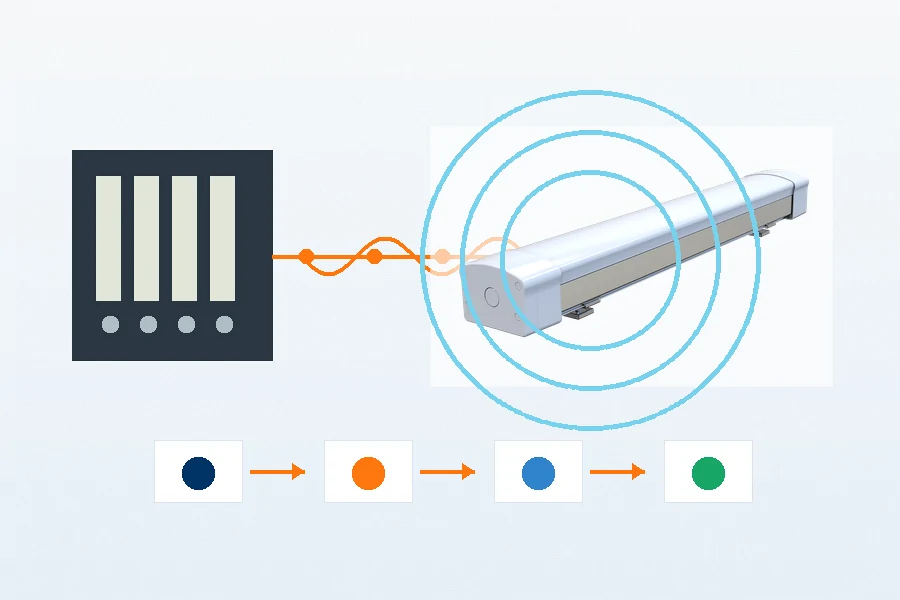
ShineLong LED linear light camera banding test for flicker
Visible banding can be a sign of unstable light output.

Effects of Flicker on Health, Vision and Work Performance

LED flicker can affect comfort even when it is not consciously visible. The impact depends on flicker frequency, modulation depth, exposure duration, individual sensitivity, and the application environment.

  • Eye strain
  • Headaches
  • Visual fatigue
  • Reduced concentration
  • Discomfort in offices, schools, factories, or other long-stay spaces

Flicker can also create practical issues beyond human comfort. It may interfere with smartphone photography, machine vision, video recording, and the observation of moving equipment. In industrial environments, this matters because stable lighting can support safer visual judgment around machinery and workflows.

It is better to avoid absolute claims such as "all flicker is dangerous" or "flicker-free means zero risk." A more accurate statement is that lower flicker is generally preferred because it helps improve visual comfort and lighting quality.

ShineLong LED driver and power supply quality for flicker control
Reliable lighting depends on both product structure and electrical design.

How to think about product quality

Two LED lamps may look similar in brightness, but their flicker performance can be very different. Driver design, filtering, and dimming compatibility all influence the final user experience.

For buyers, installers, and distributors, flicker should be part of product evaluation instead of an afterthought.

How Flicker Is Measured

LED flicker is commonly evaluated by measuring how much the light output changes during a cycle. One of the most widely used indicators is percent flicker.

Percent flicker compares the difference between maximum and minimum light output. A value of 0% means the light output does not fluctuate. A value of 100% means the light repeatedly cycles between full output and off.

  • Incandescent lamps: around 15% flicker
  • Some low-quality LED lamps: more than 75% flicker
  • Many PWM-dimmable or color-changing LEDs: can reach 100% flicker under certain operating modes

As a practical rule, lower flicker is usually better. Many buyers and specifiers prefer lighting systems below 5% flicker when stable visual performance is important.

How to Reduce LED Flicker

Reducing LED flicker starts with choosing better electrical design rather than only comparing brightness or wattage. A reliable lighting system should be built for stable output, not just low upfront cost.

  • Use a high-quality constant-current LED driver
  • Improve filtering in the power supply design
  • Match the dimming method with the driver correctly
  • Choose lighting products tested for low flicker performance
  • Avoid low-cost components that create unstable current output

Technical Summary

For LED flicker, the most useful buying logic is simple: understand the cause, check the measurement, and choose stable driver design.

Main Cause

Flicker is usually linked to driver and power supply design rather than the LED chip alone.

Measurement

Percent flicker compares maximum and minimum light output during a flicker cycle.

Better Choice

Lower flicker, stable current, and compatible dimming help improve comfort and quality.

ShineLong Flicker Control Standard

ShineLong controls flicker performance as part of product quality design. According to the available product positioning in the source material, ShineLong targets:

  • LED light flicker percentage: below 5%
  • Power supply flicker percentage: below 2%

This helps position the product line toward stable, professional lighting applications where comfort, consistency, and reliability matter. It also supports use cases where customers are comparing lighting quality, not just price.

If you are selecting industrial or commercial lighting, it is worth prioritizing products with clear flicker-control data and driver quality information.

Related Lighting Solutions

If flicker control is important for your project, start by matching the product type to the application environment.

LED Tri-proof Lights

For warehouses, parking areas, and industrial environments where durability and stable lighting performance are important.
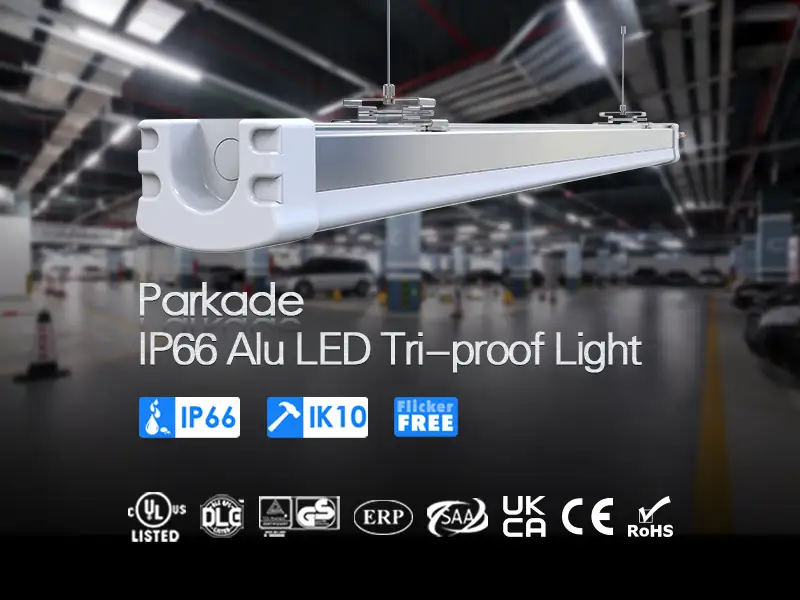
ShineLong LED tri-proof light low flicker industrial solution
Suitable for demanding industrial and commercial spaces.
View Product

LED Panel Lights

For offices, schools, and commercial interiors where visual comfort supports longer working hours.
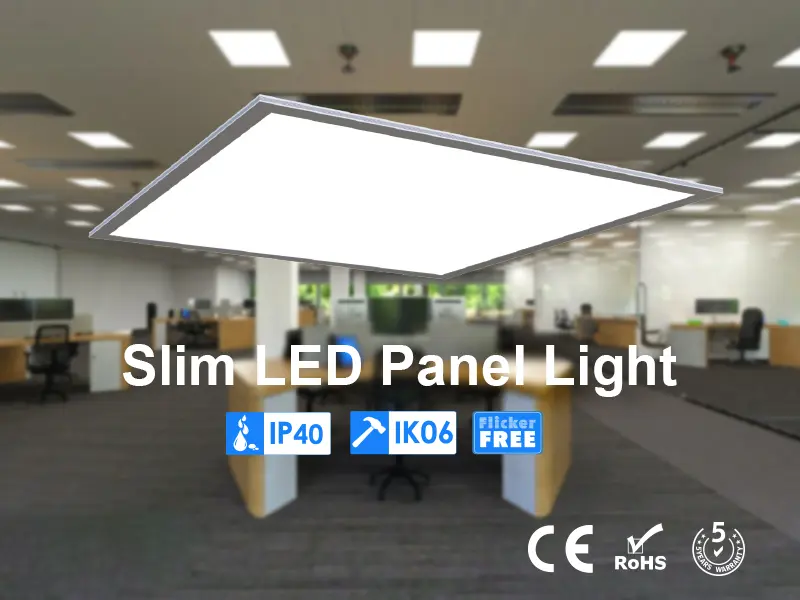
ShineLong LED panel light low flicker visual comfort solution
Useful for long-stay spaces where visual comfort matters.
View Product

LED Linear Lights

For modern commercial layouts that need clean design, even illumination, and reliable visual performance.
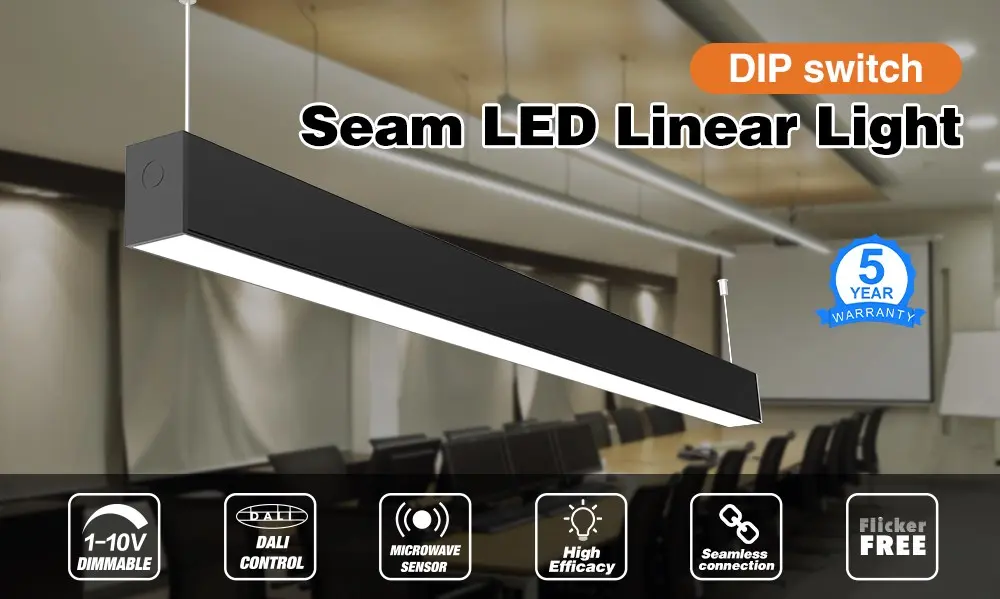
ShineLong LED linear light low flicker solution
Supports stable illumination in commercial layouts.
View Product

FAQ

LED flicker is the rapid fluctuation of light output caused by changes in electrical current. It may be invisible to the eye but still detectable by cameras or the human nervous system.
The main cause is usually the driver or power supply design, including poor filtering, unstable current control, or incompatible dimming.
Excessive flicker can contribute to eye strain, headaches, and visual discomfort, especially during long exposure or in sensitive environments.
Choose lighting with a high-quality constant-current driver, better power filtering, compatible dimming, and verified low-flicker performance.
In many applications, a flicker level below 5% is generally preferred because it supports more stable visual comfort and lighting performance.

Conclusion

LED flicker is more than a technical detail. It is a lighting quality issue that can influence comfort, perceived product value, camera performance, and confidence in the environment.

The key point is simple: LED flicker is usually caused by the driver and power supply system, not the LED chip alone. Better electrical design leads to more stable light, lower flicker, and a better user experience.

If you want a more reliable lighting solution, look for products designed with flicker control in mind rather than relying on appearance alone.

Looking for More Stable LED Lighting?

Upgrade your lighting system with flicker-free LED solutions designed for industrial and commercial applications.

Latest Articles

Explore more recent ShineLong lighting insights, product guides, and application ideas.

Loading latest articles...

Leave a Comment

Your email address will not be published. Required fields are marked *

This site uses Akismet to reduce spam. Learn how your comment data is processed.

Scroll to Top

Request Technical Documents

Receive datasheets, certifications, testing reports, and other technical resources directly from our team.

Your information is secure and will never be shared with third parties.

Let's Get Started!

Download Resources

We will send the resources to your mailbox once you have finished the email form. No Spam.

Start Your Project Solutions

Tell us about your project needs, and our engineers will tailor a lighting plan for you within 24 hours.

Your information is secure and will never be shared with third parties.

Request Technical Pricing

Your information is secure and will never be shared with third parties.

Get Full Product Catalog

Please enter your professional business email address to instantly unlock the catalog file download. No Spam.