Why Hospitals Specify COI < 3.3, CRI > 95 and R9 > 90
Learn how Australian and New Zealand healthcare projects use COI, CRI, and R9 values to support clinical observation, patient care, and AS/NZS 1680.2.5 requirements.
Hospital Lighting Is About Clinical Accuracy
In a hospital, getting the lighting right is not just about brightness. The right light helps doctors and nurses identify subtle changes in a patient's condition, make confident visual assessments, and act quickly.
For healthcare projects in Australia and New Zealand, tenders often specify AS/NZS 1680.2.5 related requirements such as COI < 3.3, CRI > 95, and R9 > 90 for LED panel lights.
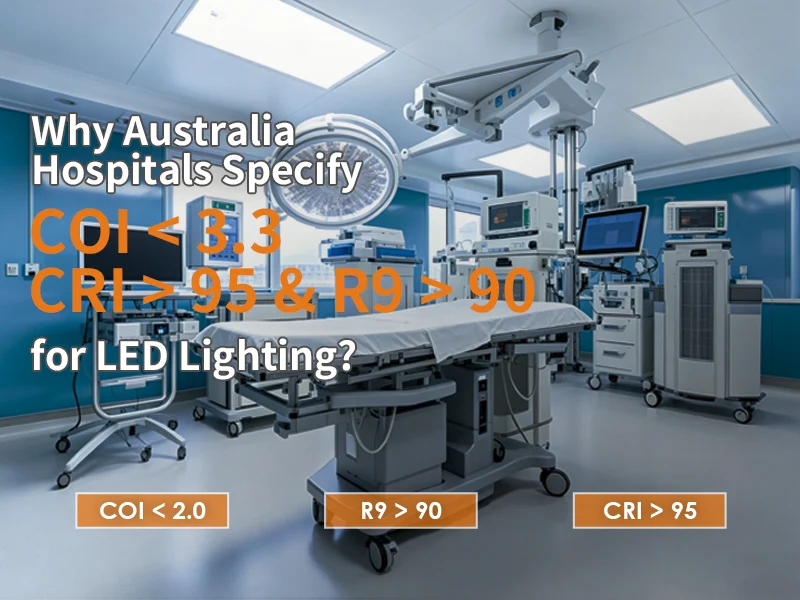
What COI, CRI, and R9 Mean on the Hospital Floor
Each value addresses a different clinical lighting risk: cyanosis visibility, general color accuracy, and critical red tone rendering.
Cyanosis Observation
COI measures how well a light source allows medical staff to detect cyanosis, the bluish skin tint that can indicate low oxygen. Keeping COI below 3.3 helps render skin tones more naturally.
Reliable Color Rendering
CRI shows how accurately colors appear under artificial light. In wards and exam rooms, high CRI helps clinicians assess rashes, jaundice progression, and other visible symptoms more clearly.
Critical Red Tone Accuracy
R9 measures saturated red rendering. Blood, bruising, inflammation, wounds, and tissue condition all depend on accurate red perception in medical observation.
Comparison: ShineLong vs. Industry Standards
The original TablePress comparison has been converted into a readable HTML table for SEO, GEO, and easier review during project specification.
| Parameter | AS/NZS 1680.2.5 Requirement | ShineLong Panel Lights Performance | Clinical Buyer Takeaway |
|---|---|---|---|
| COI | ≤ 3.3 | < 2 | Supports cyanosis observation with margin below the requirement. |
| CRI (Ra) | ≥ 90 typical | > 95 | Improves overall color accuracy for clinical assessment. |
| R9 | High red content | > 90 | Helps render blood, inflammation, bruising, and tissue tones. |
| SDCM | - | < 3 | Supports batch color consistency across hospital spaces. Learn more about SDCM. |
| UGR | - | < 19 | Improves visual comfort for patients and medical staff. Learn more about UGR < 19. |
| Efficacy | - | > 125 lm/W | Balances clinical-grade light quality with energy efficiency. |
Hospital LED Panel Light Options
The original article highlights two ShineLong panel light options for hospital wards, exam rooms, and treatment areas.
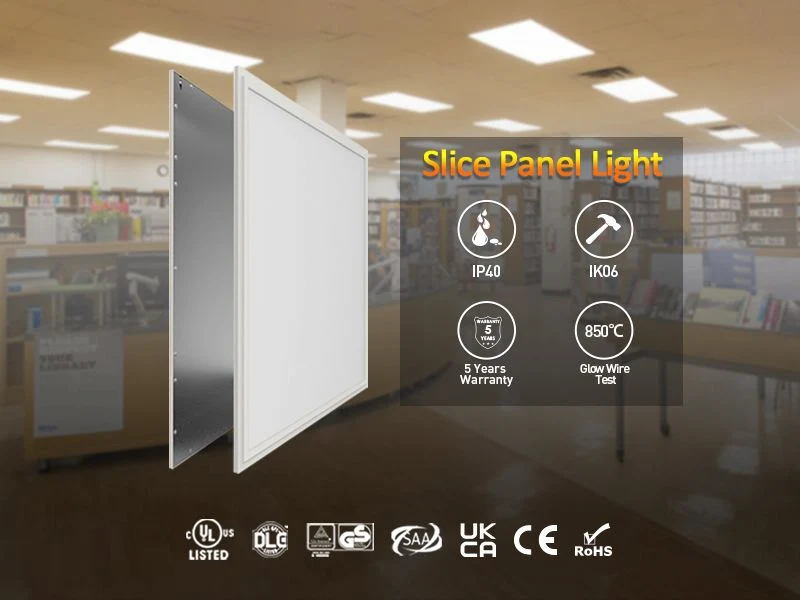
Premium Slice Series
Premium panel light option for healthcare projects requiring high color accuracy, low glare, and consistent clinical visual performance.
View product
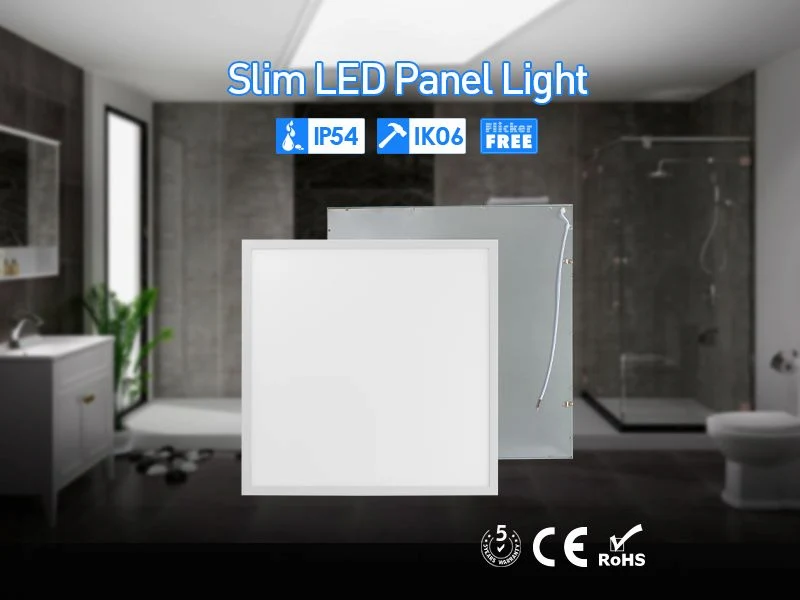
Economy Slim Series
Economy panel light option for wards and general clinical areas where buyers still need COI, CRI, R9, comfort, and efficiency balance.
View productFAQ About Hospital LED Lighting
Conclusion: Hospital Lighting Must Support Clinical Judgement
ShineLong believes hospital LED lighting should be evaluated by clinical visibility, not brightness alone.
From ShineLong's perspective, COI, CRI, R9, SDCM, UGR, and efficacy work together: COI supports cyanosis observation, CRI supports general color accuracy, R9 supports red tone recognition, and UGR helps protect long-term visual comfort.
ShineLong recommends confirming these values early in Australian and New Zealand healthcare lighting projects so panel light selection supports both compliance review and daily clinical use.
Need Hospital Panel Light Technical Documents?
Send ShineLong your hospital area, ceiling type, target lux, COI/CRI/R9 requirements, and glare limits. Our team can help provide suitable panel light recommendations and technical documents.
Request Technical DocumentsLatest Articles
Loading latest articles...