
Wine Cellar Lighting Must Address More Than Visibility
In a cellar, the lighting specification can affect both operations and wine-protection strategy. Buyers should assess the spectrum around stored wine, the sustained humidity level, the cleaning method and the fixture materials—not simply choose a waterproof light.
For a project with routine washdown or severe moisture exposure, IP69K tri-proof lighting planning provides a useful baseline. This guide narrows that discussion to the distinct demands of wine storage and winery cellar areas.
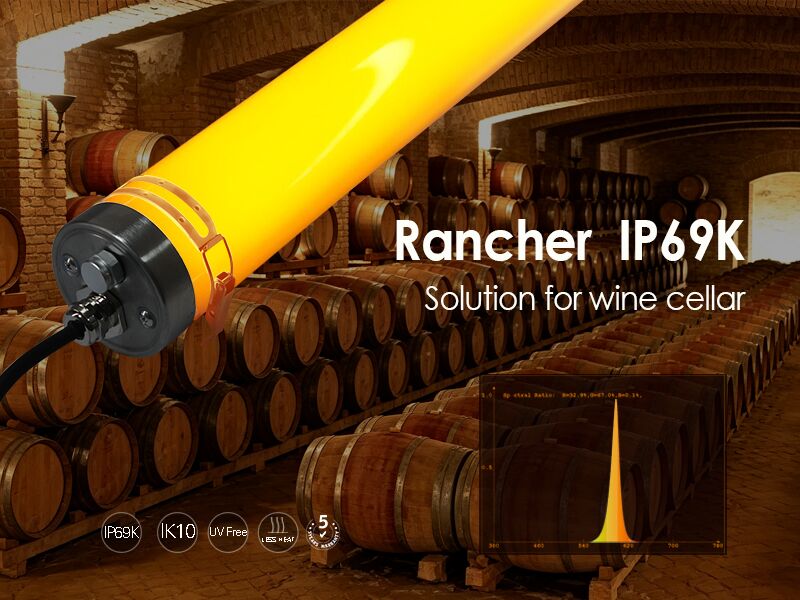
Why Yellow-Spectrum Lighting Is Considered for Wine-Cellar Applications
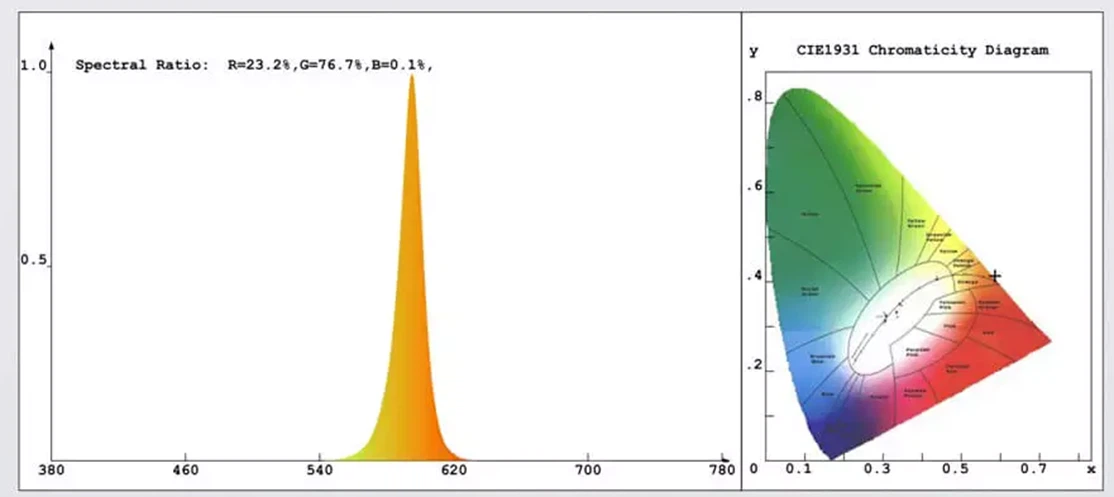
Wine contains riboflavin (vitamin B2), a compound that is sensitive to ultraviolet and blue-light exposure. In the source material for this guide, the specified yellow/amber option is described as a no-UV LED spectrum in the 580–600 nm range, intended to reduce the wavelengths associated with light-strike concerns while keeping cellar work areas visible.
What “Light Strike” Means
When riboflavin is activated by UV or blue light, reactions involving sulfur-containing amino acids can form off-odour sulfides. This is a wine-quality concern, especially for long-term storage and premium products.
What to Specify
Ask for a documented spectral power distribution, UV content and the intended yellow/amber wavelength range before final approval. This connects the fixture specification to the cellar’s wine-protection policy.
Source target range: 580–600 nm yellow/amber, with no UV LED content.
Yellow Light Can Be Part of an Insect-Management Strategy
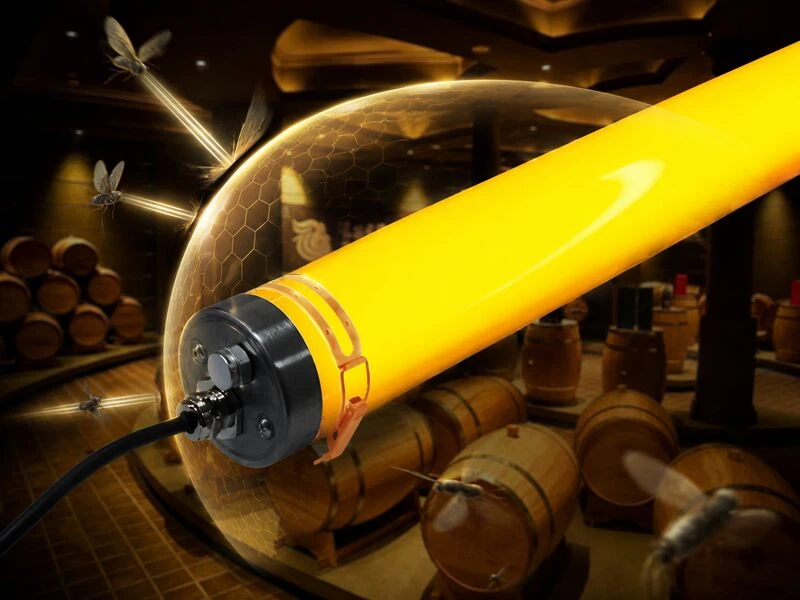
Many flying insects are strongly attracted to ultraviolet and blue-green wavelengths. A yellow spectrum above 580 nm may help reduce the concentration of such insects around the illuminated area compared with UV- or blue-rich lighting.
For a wine cellar, the objective is practical hygiene control: reduce potential insect activity around corked products and maintain a clean operating environment. Lighting should be considered alongside physical exclusion, sanitation and facility pest-management procedures.
For broader product comparisons, explore ShineLong’s LED tri-proof light solutions.
Rancher IP69K Is the Relevant Product Family for Severe Cellar Environments
When a wine-cellar project combines spectrum requirements with heavy moisture, corrosion risk and washdown, the final selection should be reviewed as a complete configuration—not as a single rating.

Rancher IP69K LED Tri-Proof Light
For washdown-sensitive, humid and corrosive applications. Review spectrum, material, mounting and documentation requirements with the final cellar operating conditions.
View Rancher IP69K details →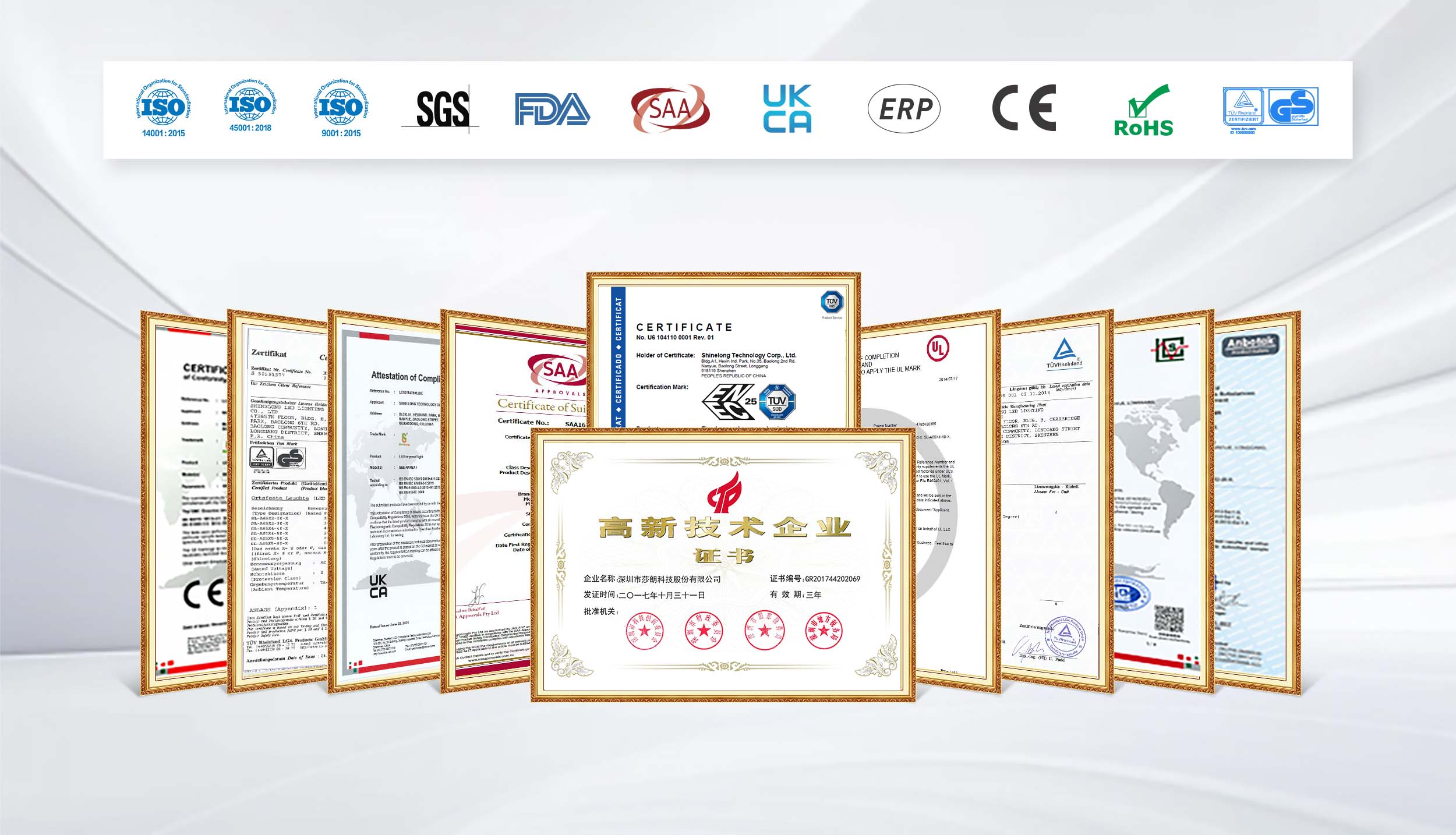
Certification and Technical-Document Support
Before specifying a model for an export market or hygiene-critical site, check the applicable certificates, reports and product configuration.
Review certification resources →