
Lumens Are the Measure of Visible Light Output
A lumen (lm) is a unit used to express the quantity of visible light emitted by a source. In simple terms, it is the brightness output that a lamp provides. A higher lumen value generally means more visible light.
Watts measure power consumption, not brightness. That difference is especially important for LED lighting because an efficient LED can deliver the same light output as a conventional lamp while consuming far less power.
For example, a 60W incandescent bulb produces about 800 lumens, while an LED lamp may produce a similar output using only 8-12W. The final result depends on the selected product and operating conditions.

Lumens vs. Watts: Output and Energy Used
Use lumens to compare how much visible light a product delivers, and use watts to understand the electrical power it consumes.

| Term | What it measures | How buyers use it |
|---|---|---|
| Lumens (lm) | Visible light output. | Compare the brightness delivered by lamps and fixtures. |
| Watts (W) | Electrical power consumed. | Estimate electrical load and operating energy use. |
| Luminous efficacy (lm/W) | Light output per watt of power. | Compare energy efficiency between fixtures with similar application requirements. |
| Lux (lx) | Light reaching a surface, measured as lumens per square metre. | Plan the illumination level on a desk, floor, aisle, court, or work plane. |
How to Test the Lumen Level of an LED Light
A product label gives a declared value, while a controlled measurement can help verify the light output of a fixture.
Use a Lumen Meter
Operate the LED light in a controlled environment with no interference from other sources. Aim the meter probe at the fixture according to the meter instructions and record the displayed result. This is the most direct measurement method in the guide.
Use Lux and Area
Measure illuminance in lux at a defined distance or test area with an illuminance meter. This can provide an indirect estimate of lumens, although room conditions and measurement geometry affect accuracy.
Review Test Reports
Manufacturers may provide photometric or laboratory test reports. For specialized verification, a third-party laboratory can test the fixture under controlled conditions.

Example Photometric Distribution Data
A luminous-intensity distribution diagram shows how a fixture directs light at different angles. It is useful for assessing beam width, aiming, coverage, and uniformity. The values shown in the diagram are repeated below for readable reference.
| Plane | Angle shown |
|---|---|
| C0/180 | 120.3 degrees |
| C30/210 | 120.4 degrees |
| C60/240 | 115.5 degrees |
| C90/270 | 112.6 degrees |
| Average beam angle (45%) | 117.9 degrees |
| Intensity unit | Candela (cd) |
ShineLong LED Lights by Lumen Range
Use the fixture type, output, optics, mounting method, environmental protection, and target illuminance together when selecting a product.
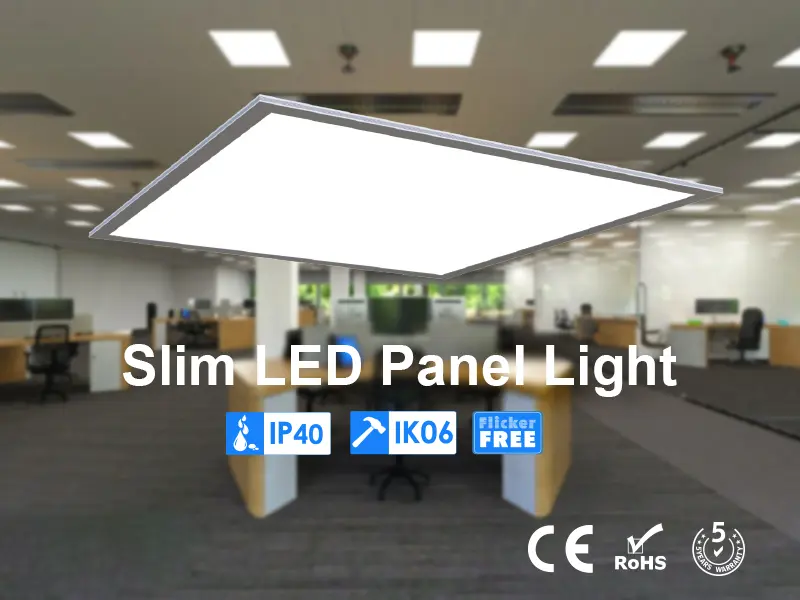
Slim LED Panel Light
Indoor panel-light option for commercial ceilings and general indoor illumination.
1,000-3,000 lmView Slim Panel Lights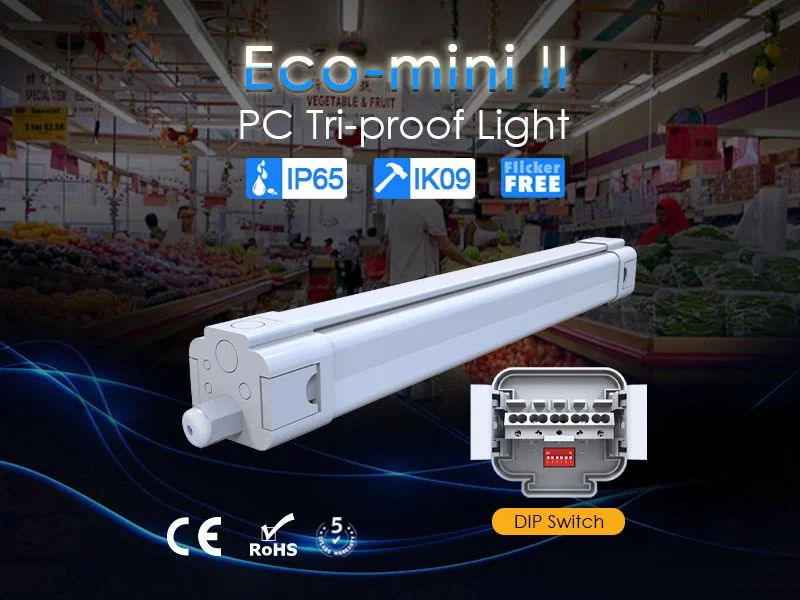
LED Tri-proof Light
Sealed LED lighting option for demanding industrial and wet-area applications.
2,600-6,500 lmView LED Tri-proof Light
Flood LED Light
High-output flood-light option for outdoor, sports, facade, and large-area lighting.
15,000-25,000 lmView LED Flood Lights
High Bay LED Light
High-ceiling lighting option for warehouses, factories, gyms, and other large interiors.
More than 25,000 lmView UFO High Bay Lights